

News
Wanbangde achieves another breakthrough in innovative drug development—WP103 holds the potential to address the critical clinical need for treating neonatal HIE! This globally rare FDA dual-designated drug has once again received IND application acceptance.
Date:
30 Dec,2024
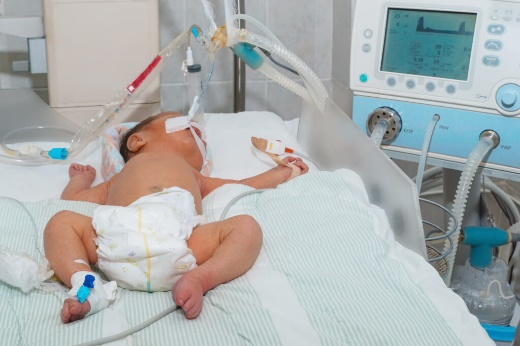
On December 17, U.S. Eastern Time, the company’s innovative drug, Neostigmine Methyl Injection (WP103), received acceptance from the U.S. Food and Drug Administration (FDA) for its Investigational New Drug (IND) application seeking approval for a new indication: treating hypoxic-ischemic encephalopathy (HIE) in newborns. The drug has now entered the expert review phase.
This means that Wanbangde will lay the foundation for groundbreaking research into HIE, a globally critical condition urgently in need of effective drug therapies for newborns. It also marks another major milestone for Wanbangde in advancing China’s original drug, "Huperzine A," through innovative development of new formulations and expanded therapeutic applications—further solidifying the company’s strategic move to capture the global market.
Regarding Hypoxic-Ischemic Encephalopathy (HIE) in Newborns
HIE is a neonatal brain injury condition caused by oxygen deprivation and reduced cerebral blood flow in newborn brain tissue, severely impacting the developing brain and potentially leading to significant mortality and morbidity rates. In the United States, HIE affects fewer than 10,000 infants each year; globally, approximately 750,000 infants develop moderate or severe HIE annually, resulting in around 400,000 infants who go on to suffer from neurodevelopmental disorders.
Currently, Currently, there are no approved drugs in the U.S. for treating neonatal HIE. In developed countries, the standard intervention for moderate-to-severe neonatal HIE is limited to therapeutic hypothermia (TH), yet even newborns with moderate-to-severe HIE who undergo TH treatment still often experience devastating complications. 48% experience death or moderate to severe disability. Therefore, when newborns develop HIE, there is an urgent need for safe and effective treatments—and even more so, for mild cases of HIE that are not suitable for TH, where effective pharmacological therapies are also essential.
Regarding WP103's IND application for HIE being accepted by the U.S. FDA
The company’s successful submission and acceptance this time were based on high-quality preclinical pharmaceutical (API, formulation) and pharmacology/toxicology study data—developed by our dedicated R&D and technical teams—in compliance with FDA and ICH requirements.
Multiple preclinical studies have demonstrated that huperzine A holds significant potential in treating neonatal HIE, offering hope to address the complex pathophysiological challenges of hypoxic-ischemic injury through its multifaceted mechanism of action. This approach could translate into clinical benefits for affected infants, including enhanced choline levels, reduced excitotoxicity, improved mitochondrial dysfunction, diminished inflammation, and lower production of pro-inflammatory cytokines (such as IL-6, TNF-α, and IL-1β). Additionally, it may help alleviate oxidative stress and decrease neuronal cell death.
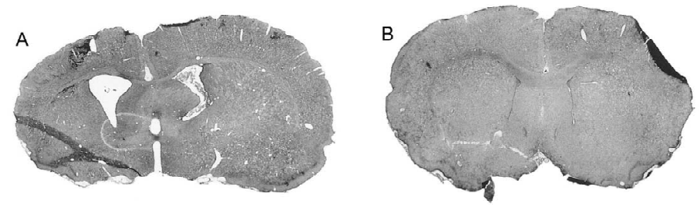
The acceptance of this clinical trial application marks a significant advancement for Wanbangde's innovative drug R&D team in the field of neonatal HIE treatment.
On the rare global advantage of Wanbangde's innovative drug, which has received dual FDA approvals.
In late April 2024, the company received the FDA’s Rare Pediatric Disease Designation (RPDD) for huperzine A as a treatment for neonatal hypoxic-ischemic encephalopathy (HIE)—a rare pediatric condition. Just one month later, in late May 2024, the company also secured the FDA’s Orphan Drug Designation (ODD) for huperzine A specifically targeting neonatal HIE. As one of the few drugs globally to earn both designations from the FDA, this dual recognition underscores huperzine A’s exceptional clinical potential and significantly enhances its commercial value. Benefits include a 7-year period of market exclusivity starting from drug approval, priority review status for the New Drug Application (NDA), exemption from NDA submission fees (worth approximately RMB 30 million), and enhanced guidance and support from the FDA throughout the drug’s clinical development process. Together, these incentives are poised to accelerate the advancement of much-needed therapies for HIE—a severe, life-threatening rare pediatric disease.
This time, we are applying for approval of shishan alkaloid as a treatment for neonatal HIE— a severe condition that often leads to infant mortality or lifelong disabilities. Currently, there are no FDA-approved therapies for this devastating disease in the U.S., highlighting a critical unmet clinical need. The company is eager for the efficacy and safety of shishan alkaloid to be swiftly validated in clinical settings, ultimately addressing the global demand for effective treatments for neonatal HIE. We look forward to receiving positive feedback from the FDA regarding our clinical trial application, enabling us to advance WP103 toward rapid, high-quality clinical development—and, ultimately, bringing improved treatment options to countless children and families worldwide who are at risk of HIE.
Regarding Wanbande's R&D
Currently, Wanbangde has established an R&D team of approximately 120 members, capable of conducting pharmaceutical research across the entire value chain—from early-stage design, chemistry, and biology, to IND-enabling pharmaceutical and pharmacological/toxicological studies, as well as clinical development planning and operations. Meanwhile, the company has set up several high-end platforms, including an Academician Workstation, a Postdoctoral Workstation, and a provincial-level Technology & R&D Center, providing robust talent and expert support for drug innovation.
The company boasts a robust R&D pipeline, featuring a comprehensive and integrated R&D system that simultaneously advances innovative drug development, generic drug research, API development, and traditional Chinese medicine innovation. Among these, innovative drug R&D is strategically focused on four key therapeutic areas: major neurological disorders, metabolic diseases, autoimmune conditions, and rare diseases. By leveraging the company’s extensive data resources accumulated over many years, we aim to deliver groundbreaking therapies that address critical unmet clinical needs for patients.
Leveraging years of data accumulation and deep insights from extensive datasets, Wanbangde's innovative drug team has globally pioneered the recognition of Huperzine A as a potential treatment for neonatal Hypoxic-Ischemic Encephalopathy (HIE), earning both ODD and RPDD designations. In a remarkably short timeframe, the team successfully completed high-quality preclinical studies and submitted an IND clinical trial application to the FDA, demonstrating exceptional drug-development capabilities and a steadfast commitment to swiftly addressing critical patient needs.
Related Recommendations