

News
[Another Milestone: Wanbangde Pharmaceutical Group's Huperzine A Injection Included in the "Clinical Guidelines for Rational Drug Use in Cerebrovascular Diseases"]
Date:
14 Apr,2025
The "Clinical Guidelines for Rational Drug Use in Cerebrovascular Diseases" was edited by Professor Yu-Ping Wang from Xuanwu Hospital of Capital Medical University, with Academician Chun-Yan Li from the Second Hospital of Hebei Medical University serving as advisor, and Professor Li-Gao from Xuanwu Hospital of Capital Medical University acting as chief reviewer. The manual was collaboratively developed by experts from multiple medical institutions, aiming to enhance the diagnostic and treatment skills of frontline physicians in managing cerebrovascular diseases. It emphasizes the seamless integration of traditional Chinese and Western medicine approaches, fostering a holistic model that combines prevention, treatment, and rehabilitation—ultimately paving the way for a uniquely Chinese approach to cerebrovascular disease management.
Cerebrovascular disease is a common neurologic disorder and a prevalent, often chronic condition among middle-aged and elderly individuals in China. Unfortunately, 50% to 70% of patients who suffer from this condition are left with severe disabilities. In recent years, the incidence of cerebrovascular disease has been on the rise, with an increasing trend toward younger ages. One of the most common complications of cerebrovascular disease is stroke accompanied by cognitive impairment, typically referred to as Vascular Cognitive Impairment (VCI). This condition arises from brain damage caused by cerebrovascular events—such as strokes—or subclinical vascular lesions affecting the brain and neck regions. It primarily manifests as impaired cognitive function, ranging from mild cognitive impairment to dementia, and may even overlap with Alzheimer’s disease or other forms of dementia. Epidemiological studies reveal that among Chinese adults aged 65 and older, the overall prevalence of mild cognitive impairment is 20.8%. Notably, mild cognitive impairment linked to cerebrovascular disease and associated vascular risk factors accounts for 42.0% of all cases of mild cognitive impairment. Additionally, the prevalence of vascular dementia (VaD) stands at 1.5% in this age group.
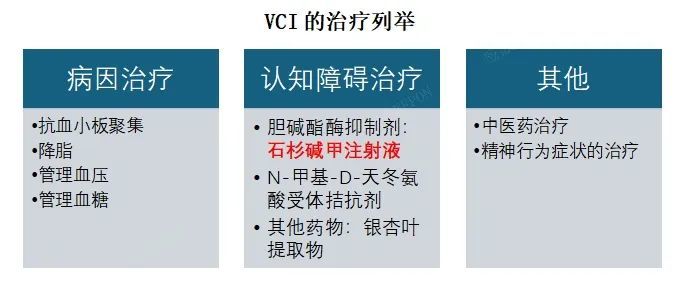
The "Clinical Guidelines for Rational Drug Use in Cerebrovascular Diseases" states that treatment for VCI involves addressing the underlying cause, improving cognitive function, and providing symptomatic therapy.
Regarding Huperzine A Injection
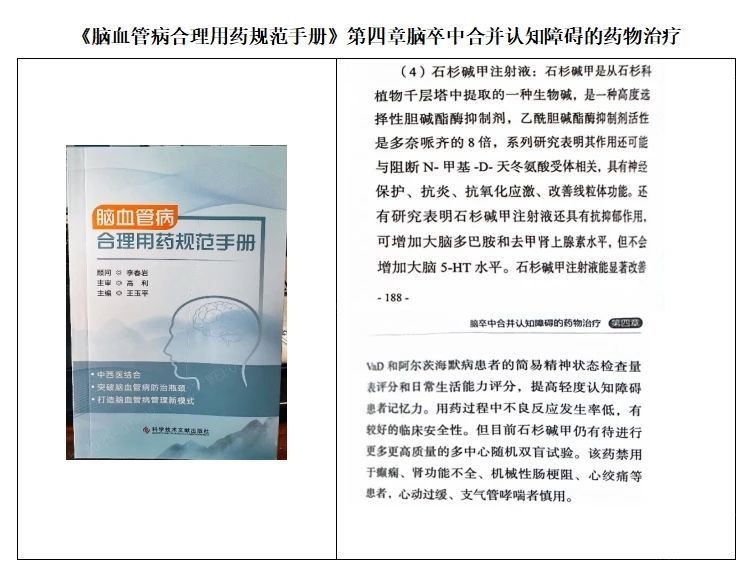
Huperzine A Injection: Huperzine A is an alkaloid extracted from the plant *Huperzia serrata*, a member of the Lycopodiaceae family. It acts as a highly selective cholinesterase inhibitor, with acetylcholinesterase-inhibiting activity that is 8 times stronger than that of donepezil. Moreover, studies have shown that its effects may also involve blocking N-methyl-D-aspartate receptors, contributing to neuroprotection, anti-inflammatory properties, antioxidant stress defense, and improved mitochondrial function. Additionally, research indicates that Huperzine A injection possesses antidepressant effects, as it can elevate levels of dopamine and norepinephrine in the brain—without affecting serotonin levels.
The inclusion of Huperzine A Injection in the "Clinical Guidelines for Rational Drug Use in Cerebrovascular Diseases" represents a significant recognition of the product's therapeutic efficacy in improving cognitive dysfunction associated with these conditions, further solidifying its role as a reliable option in clinical practice.
In the future, the company will further increase its R&D investment in Huperzine A injection, continuously building up clinical experience with the drug and strengthening clinical evidence to bring hope and relief to patients worldwide.
Related Recommendations